
"high-altitude Arabica"
1000 article(s) found

Introduction of Guatemalan Coffee planting Environment introduction of Guatemalan Coffee Manor
Guatemalan coffee beans are mostly cultivated in high-altitude volcanic soils belonging to the most advanced Arabica (Arabica) species. Due to the long ripening period, the beans are medium and dense (Guatemalan coffee beans are graded not on the basis of particle size, but on the basis of shortcomings), and the bean color is dark turquoise. Fragrant, mellow, sweet

Introduction to the elegant, lively and sour Guatemalan boutique coffee bean flavor manor
Guatemalan coffee beans are mostly cultivated in high-altitude volcanic soils belonging to the most advanced Arabica (Arabica) variety. Due to the long ripening period, the beans are medium and dense (Guatemalan coffee beans are graded not on the basis of particle size, but on the basis of shortcomings), and the bean color is dark turquoise. Sweet, mellow, sweet and fresh and joyful alone

Why do high-altitude coffee beans taste sour? What is the flavor difference between highland coffee and regular coffee
Why do high-altitude coffee beans taste sour? Generally speaking, the more deeply roasted coffee beans, the less sour, or even none, and show another kind of pure coffee characteristics. After roasting, the acid content of raw coffee beans changed greatly, among which the change of volatile acid was the biggest. So today, when we are still in the habit of deep baking, it is very difficult for us to learn from

Classification of coffee
Coffee trees can be roughly divided into five types, of which Arabica and Robusta are more common. Arabica species, which account for more than 70% of the world's total output, are generally grown on slopes above 900 meters above sea level and are mostly found in tropical high-altitude areas such as Central and South America, East Africa, Southeast Asia and Hawaii. It has pleasant aroma and rich taste, and this tree species needs to be more

What are the categories of coffee?
Coffee trees can be roughly divided into five types, of which Arabica and Robusta are more common. Arabica species, which account for more than 70% of the world's total output, are generally grown on slopes above 900 meters above sea level and are mostly found in tropical high-altitude areas such as Central and South America, East Africa, Southeast Asia and Hawaii. Its pleasant aroma, rich taste, and the need for this tree species
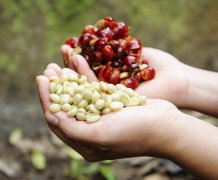
Understand the basic knowledge of coffee classification of coffee
Classification of coffee: coffee trees can be roughly divided into five types, of which Arabica and Robusta are more common. Arabica species, which account for more than 70% of the world's total output, are generally grown on slopes above 900 meters above sea level and are mostly found in tropical high-altitude areas such as Central and South America, East Africa, Southeast Asia and Hawaii. Its pleasant aroma and rich taste

Flavor characteristics of coffee beans from Antigua, Incht and Cacicero producing areas in Guatemala
There are few places in the world that offer a variety of high-quality coffee beans, such as those produced in Guatemala. The excellent quality of Guatemalan coffee beans is due to the unique conditions of their producing areas, including different climate change in each region, rich soil formed by volcanoes, abundant natural water resources, high-altitude mountains and shady and moist forests. There are seven main coffees in Guatemala.

A brief introduction to the Market Price of High-altitude extra hard Bean St. Roman Manor Fine Coffee Bean varieties
Other kinds of Brazilian coffee, such as Rio and Parana, can be produced in large quantities because they do not require too much care. Although the taste is rough, it is a kind of high-quality and inexpensive coffee, which has its own standards because it is distributed all over the country and its solid quality varies (NO.2NO.8 according to the number of sundries, NO.13NO.19 according to the size of beans, six grades according to taste).
Classification of coffee beans
Classification of coffee beans there are usually two types of coffee beans in the world, Arabica (Arabica) and Rob's special (Robusta). Arabica, also known as high-altitude coffee or small fruit coffee, which grows at high altitudes (more than 1500 meters) is the most traditional variety of Arabica coffee. Originally from East Africa, coffee was long monopolized by the Arab world before the 15th century.
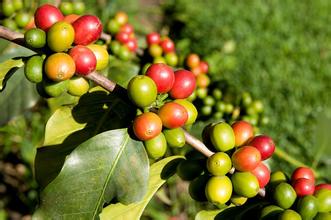
Introduction to high-quality coffee beans, Guatemalan coffee, fine coffee beans, coffee varieties
There are few places in the world that offer a variety of high-quality coffee beans, such as those produced in Guatemala. The excellent quality of Guatemalan coffee beans is due to the unique conditions of their producing areas, including different climate change in each region, rich soil formed by volcanoes, abundant natural water resources, high-altitude mountains and shady and moist forests. There are seven main coffees in Guatemala.

Unique fragrant sweet taste of Guatemala La Tisa Manor Coffee Flavor and Taste characteristic Fine Coffee
There are few places in the world that offer a variety of high-quality coffee beans, such as those produced in Guatemala. The excellent quality of Guatemalan coffee beans is due to the unique conditions of their producing areas, including different climate change in each region, rich soil formed by volcanoes, abundant natural water resources, high-altitude mountains and shady and moist forests. There are seven main coffees in Guatemala.

Introduction to the characteristics of Guatemala Antigua Coffee Flavor Manor with bitter fragrance and good taste
There are few places in the world that offer a variety of high-quality coffee beans, such as those produced in Guatemala. The excellent quality of Guatemalan coffee beans is due to the unique conditions of their producing areas, including different climate change in each region, rich soil formed by volcanoes, abundant natural water resources, high-altitude mountains and shady and moist forests. There are seven main coffees in Guatemala.

Kaha Yang Gan Manor Coffee Manor in Indonesia Kopi Luwak
Arabica coffee beans grow in tropical colder high-altitude areas, and the hot and humid zone that is not suitable for Arabica coffee is where robusta coffee grows. Robusta has a unique aroma (called Rob smell, which some people think is musty) and bitter, accounting for only 2% of mixed coffee. 3% of mixed coffee, the whole cup of coffee becomes Robusta flavor. Its flavor

What are the categories of coffee? Coffee trees can be roughly divided into five types.
Coffee trees can be roughly divided into five types, of which Arabica and Robusta are more common. Arabica species, which account for more than 70% of the world's total output, are generally grown on slopes above 900 meters above sea level and are mostly found in tropical high-altitude areas such as Central and South America, East Africa, Southeast Asia and Hawaii. Its pleasant aroma, rich taste, and the need for this tree species

Flavor and taste characteristics of Indonesian coffee introduction to Arabica Coffee Manor in Manor producing area
Arabica coffee beans grow in tropical colder high-altitude areas, and the hot and humid zone that is not suitable for Arabica coffee is where robusta coffee grows. Robusta has a unique aroma (called Rob smell, which some people think is musty) and bitter, accounting for only 2% of mixed coffee. 3% of mixed coffee, the whole cup of coffee becomes Robusta flavor. Its flavor
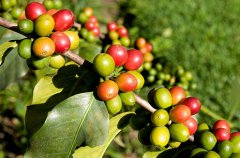
The relationship between the Flavor of Coffee and its growth altitude
We should all understand that raw coffee beans are generally graded according to their size, defect rate and altitude. The size and defect rate of raw beans are easy to understand, and many people do not quite understand why some producing areas use the altitude of coffee beans as the basis for grading. Many coffee sellers also boast that their coffee is high-altitude coffee and sell it at a high price. This is also the most encountered when telling students about grading.

Arabica Cham Brazilian Coffee Export Characteristics Flavor Description Grinding Scale Variety Treatment Introduction
Arabica accounts for Brazilian coffee export characteristics Flavor description Grinding scale Variety treatment method Introduction Due to the expected increase in Brazilian production, the International Coffee Organization (ICO)'s first estimates for 2015/16 (since October last year) show that global coffee production is expected to increase by 2 million bags to 143.4 million bags (860.4 million tons) from 141.4 million bags in the previous year.

It saves boutique coffee, boutique coffee cultivation.
The boutique coffee we drink is generally called "Arabica Arabica". Compared with Luo Dou, who makes instant coffee, she is a hypocritical daughter: she needs to grow in tropical high-altitude areas, not too cold and not too hot, easy to get sick and suffer from insect pests, need light and must be interspersed with such crops, and so on. How to break? Especially insect pests, there is a kind of insect

Guatemalan coffee varieties
Guatemalan coffee beans are mostly cultivated in high-altitude volcanic soils belonging to the most advanced Arabica (Arabica) variety. Due to the long ripening period, the beans are medium and dense (Guatemalan coffee beans are graded not on the basis of particle size, but on the basis of shortcomings), and the bean color is dark turquoise. Sweet, mellow, sweet and fresh and joyful alone

Introduction to the flavor description of Guatemala Antigua coffee producing area with jasmine fragrance
The coffee beans in each producing area have their own characteristics, and they have won a lot of praise for Guatemala in the international community, especially the perfect coordination of the sour, sweet and mellow texture of Antigua; with a touch of smoke and a little more emphasis on its mystery, you will have a reason not to look for alternatives everywhere after tasting. Guatemalan coffee beans are mostly cultivated in high-altitude volcanic areas where the soil is the highest.